The Advantage of Matched Donor Whole Blood and Tissue Biosamples
Written by: BioSample Connect Staff
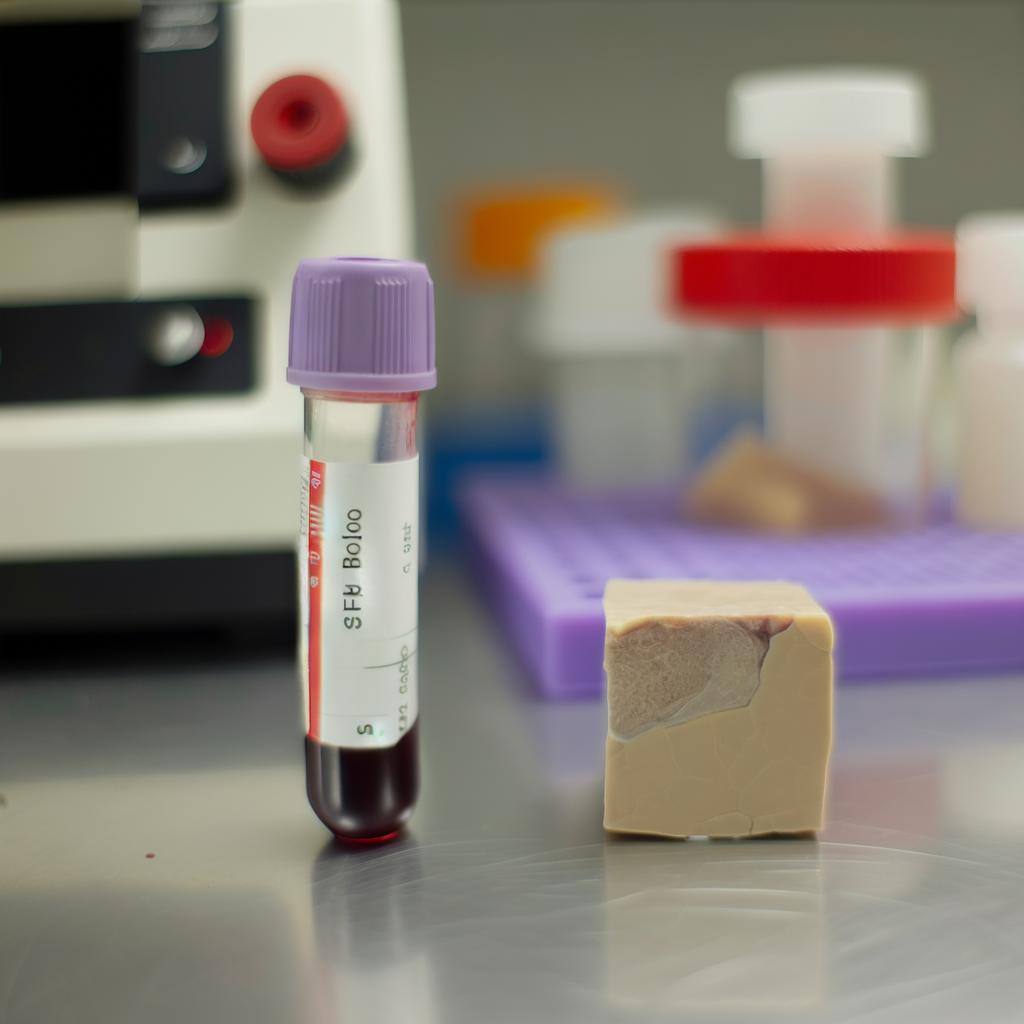
In the realm of biomedical research, the quality and consistency of biosamples are paramount. Researchers are continually seeking ways to enhance the reliability and relevance of their findings. One significant advancement in this area is the use of matched donor whole blood and tissue biosamples. These paired samples provide a unique and invaluable resource for a variety of research applications. Here, we explore the advantages and implications of utilizing matched biosamples in research.
Enhanced Consistency and Reliability
One of the primary benefits of using matched donor whole blood and tissue biosamples is the increased consistency and reliability of research data. When samples are derived from the same individual, researchers can control for genetic variability, which is a common confounding factor in studies involving multiple donors. This consistency allows for more accurate comparisons and conclusions, as any observed differences in the data are more likely attributable to the experimental conditions rather than genetic diversity.
Comprehensive Understanding of Disease Mechanisms
Matched biosamples are particularly valuable in studying disease mechanisms. By analyzing both whole blood and tissue samples from the same donor, researchers can gain a comprehensive view of how a disease affects different parts of the body. For instance, in cancer research, examining both the tumor tissue and blood samples can provide insights into how the cancer spreads and how the body's immune system responds. This holistic approach is crucial for developing targeted therapies and personalized medicine strategies.
Improved Biomarker Discovery
Biomarkers play a crucial role in diagnosing diseases, monitoring disease progression, and evaluating treatment responses. Matched donor samples enhance the discovery and validation of biomarkers by providing a more integrated perspective. Blood samples can reveal systemic changes and circulating biomarkers, while tissue samples can show localized alterations at the disease site. Together, these matched samples help identify biomarkers that are consistent across different biological matrices, increasing their potential clinical utility.
Advancements in Personalized Medicine
Personalized medicine aims to tailor treatments to individual patients based on their unique biological characteristics. Matched donor biosamples are instrumental in advancing this field. By studying matched samples, researchers can better understand how genetic and molecular factors influence disease and treatment outcomes. This knowledge enables the development of more effective and individualized therapies, ultimately improving patient care and outcomes.
Facilitating Translational Research
Translational research bridges the gap between laboratory discoveries and clinical applications. Matched donor whole blood and tissue biosamples facilitate this process by providing a robust and reliable foundation for preclinical studies. The use of these matched samples ensures that findings in the lab are more likely to translate into real-world clinical settings, as the research models more accurately reflect human biology.
Conclusion
The use of matched donor whole blood and tissue biosamples represents a significant advancement in biomedical research. By enhancing consistency, providing comprehensive insights into disease mechanisms, improving biomarker discovery, advancing personalized medicine, and facilitating translational research, these matched samples offer a myriad of benefits. As the demand for high-quality biosamples continues to grow, BioSample Connect is committed to providing researchers with the resources they need to drive scientific innovation and improve healthcare outcomes.
Explore our biosample procurement services to discover how matched donor biosamples can enhance your research today.